
How Many Amps Does a 5HP Submersible Pump Draw?
How many amps does a 5HP submersible pump draw? A single-phase 5 HP submersible pump at 230V typically draws approximately 28 amps per NEC 430.248, though voltage and motor design affect this.

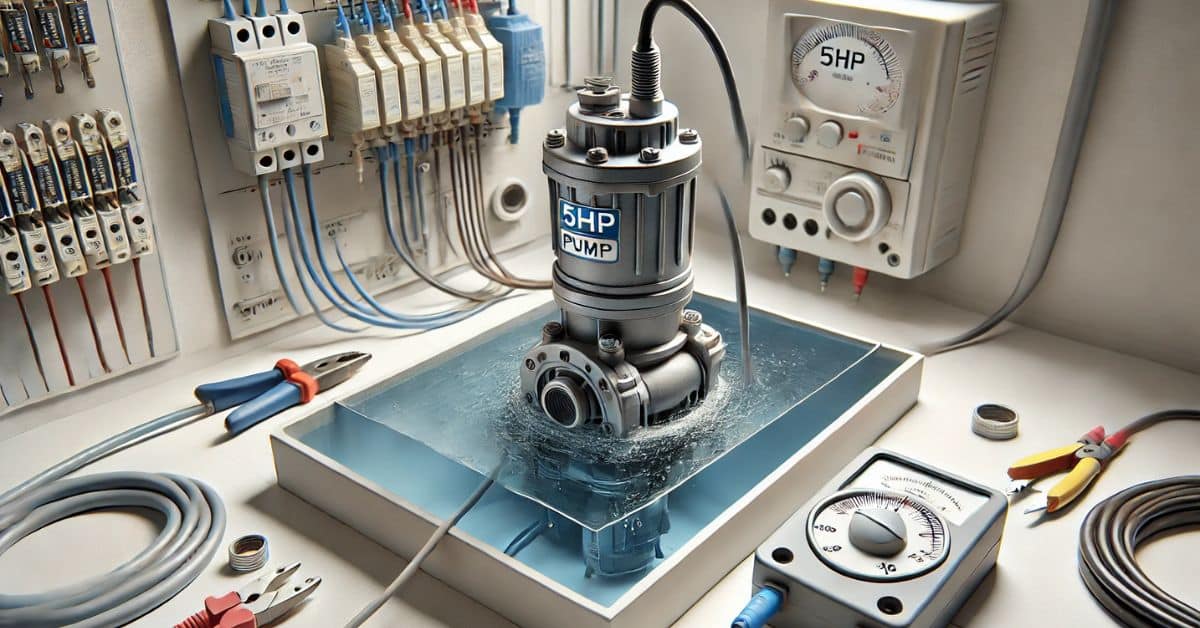
For submersible pumps, understanding how much power they draw is important. For a single-phase 5 HP submersible pump at 230 volts, the amperage draw is approximately 28 amps under NEC 430.248. Three-phase 5 HP motors at 230 volts are closer to 15 amps under NEC Table 430.250, but that setup is far less common in residential well systems. Knowing the correct amperage helps make sure that your electrical system can handle the load and helps avoid fire and shock hazards from undersized conductors.
Not only does the amp draw of a pump matter for your immediate project, but it also plays a role in your long-term costs and efficiency. I will explore what influences this amperage, how it affects performance, and what you need to know about your electrical supply to keep everything working well. If you’ve got questions about submersible pumps, stick around as we dive into the details.
Understanding Submersible Pumps
Submersible pumps are a popular choice for water wells. These pumps sit below the water surface and push water to the surface. Unlike above ground pumps, submersible pumps are more efficient for deep wells.
Submersible pumps use centrifugal force to move water. This makes them reliable for drawing water from deep wells. In contrast, jet pumps work well for shallow wells but can’t reach the depths of submersible types.
A 5 HP submersible pump at single-phase 230V can draw around 28 amps under NEC 430.248. Three-phase versions of the same motor size are closer to 15 amps under NEC Table 430.250, which is one reason phase type matters so much. It’s important to match the pump with the right power supply to avoid overloads and to confirm the final installation details against your local code.
Here are some key types of pumps:
- Submersible Pumps: Great for deep wells, submerged in the water.
- Jet Pumps: Suitable for shallow wells, mounted above ground.
- Centrifugal Pumps: Commonly used in various applications for their efficiency.
Choosing the right pump impacts how easily you can access well water. If you’re dealing with larger quantities, a submersible pump is often the better option. I’ve seen firsthand how the right equipment makes all the difference, especially in tough situations.
Whether it’s submersible or jet pumps, understanding these tools is important. It helps make sure that your wells continue to run well and reliably.
Technical Specifications of a 5HP Motor
When dealing with a 5HP motor, I find it essential to consider various specifications that affect its performance. A 5HP motor is designed to deliver a strong output, suitable for many applications, like submersible pumps.
The horsepower rating helps determine the motor’s capacity and energy needs. For a 230V single-phase installation, NEC 430.248 lists a 5 HP motor at 28 amps for sizing purposes.
Here’s a quick overview of 5HP motor specifications:
| Specification | Details |
|---|---|
| Horsepower | 5 HP |
| Voltage | Commonly 230V single-phase or three-phase, depending on the system |
| Amperage Draw | 28 amps at 230V single-phase (NEC 430.248); about 15 amps at 230V three-phase (NEC 430.250) |
| Copper Grade | Grade 1-3 (Grade 1 is best) |
The copper grade in the motor winding influences efficiency. Higher quality copper (Grade 1) provides better conductivity, leading to reduced energy losses.
A 1HP motor, for comparison, typically draws about 8 amps at 230 volts in a single-phase setup under NEC 430.248. Understanding these figures is important when sizing your electrical system for optimal performance.
Selecting the right motor for your needs can make a significant difference, so don’t overlook these specifications. Knowing what to expect from a 5HP motor will help make sure it functions reliably and efficiently for your pumping needs.
Electrical Fundamentals
Understanding the electrical requirements of a 5 HP submersible pump is essential for maintaining proper operation and meeting power demands. I’ll break down key concepts such as voltage, amperage, and efficiency, which all play a role in how these systems function.
Voltage and Its Impact on Amperage
Voltage is important for how much current a motor will draw. For submersible pumps, common supply setups include 230V single-phase in homes and three-phase service in some commercial or agricultural settings. In general, higher-voltage or three-phase motors draw less current for the same horsepower.
For example, a 5 HP submersible pump at 230V single-phase is rated at 28 amps under NEC 430.248, while a 230V three-phase motor of the same size is about 15 amps under NEC Table 430.250. Understanding this relationship helps you choose the right wiring and circuit protection for your pump. Proper voltage and phase selection help the motor run efficiently and reduce the chance of overheating or failure.
Amperage Rating and Load Considerations
The amperage rating of a motor directly relates to how much load it can handle. When using a 5 HP submersible pump, it’s important to make sure that your electrical system can accommodate a significant amp draw.
For instance, if my pump draws 28 amps at 230V single-phase under NEC 430.248, it’s vital to size the circuit correctly from the start. A 40-amp breaker is a common recommendation for that motor size under NEC motor-circuit rules, but the final breaker, wire, and overload sizing should still be confirmed against the pump nameplate and your local code. Underestimating the required amperage can lead to tripped breakers or even damage to the pump.
Additionally, the load on the pump meaning how it’s working can change based on water depth and viscosity. Knowing the pump’s amperage rating helps maintain its operational health.
Power Factors and Efficiency
Power factor is the ratio of real power used by the pump to the power supplied, measured in watts. It’s important to note that a low power factor means the motor is drawing more apparent power, which can lead to increased operational costs.
In terms of efficiency, a well-designed submersible pump will always need more input power than its rated output because some energy is lost to heat and friction.
Optimising for efficiency can help save on energy costs. Choosing a pump with a high power factor can also maintain better performance and longevity, keeping my well system working well.
Determining Amp Draw
Determining the amp draw for a 5HP submersible pump is important for making sure it operates efficiently and safely. Understanding the full load current helps prevent any electrical issues while the pump is in use.
Calculating Amps for a 5HP Submersible Pump
To calculate the amps for a 5HP submersible pump, I use the formula:
Amps = (Horsepower × 746) / (Voltage × Efficiency)
That formula can give you a rough estimate, but it should not replace the motor full-load current tables used for real-world sizing. For a 230V single-phase 5 HP motor, NEC 430.248 uses 28 amps. A 230V three-phase motor of the same size is about 15 amps under NEC Table 430.250.
Keep in mind that start-up current can be much higher than running current, so breaker and wire sizing should follow the code tables, the pump nameplate, and local requirements rather than a simple wattage formula alone.
Circuit Protection and Breakers
Understanding circuit protection is critical for running a 5 HP submersible pump safely. You want to make sure everything operates smoothly to avoid damage and costly repairs.
First, every pump needs a circuit breaker to prevent overload. For a 5 HP pump, I typically recommend using a 40-amp breaker. For a 230V single-phase motor listed at 28 amps under NEC 430.248, that is a common minimum recommendation under NEC motor-circuit guidance, but you should still verify the final breaker size under your local jurisdiction and the pump manufacturer’s instructions.
The National Electrical Code (NEC) also guides us on wiring and breaker sizes. It’s always best to stay compliant with these standards to maintain safety.
Here’s a quick breakdown of breaker sizes for submersible pumps:
| Pump Size | Voltage | Recommended Breaker Size |
|---|---|---|
| 5 HP | 230V | 40A |
In addition to the breaker, don’t forget about the control box. It’s the heart of the system, managing power to the pump. Making sure that the control box is also rated properly is just as important.
Using the right size breaker not only protects your pump but also maintains the efficiency of the system. I always recommend checking the wiring if the pump is far from the control box. Longer runs may require a thicker wire to handle the current without loss.
Taking these precautions will keep your submersible pump working as it should. Trust me, a little attention to the details now can save you headaches later!
Power Supply and Generators
When considering the power supply for a 5 HP submersible pump, it’s important to maintain the right electricity source. Many residential 5 HP well pumps use 230V single-phase power, while three-phase motors are more common in commercial or agricultural settings.
To run a 5 HP pump, a generator must provide enough running power and enough surge capacity for motor startup. A pump that runs at about 28 amps on 230V single-phase can demand much more for a brief moment when it starts, so it’s important to check the nameplate and the manufacturer’s generator recommendations before you buy.
Here’s a quick breakdown of what to look for in a generator:
- Power Output: Size the generator from the pump nameplate running load and startup surge requirements.
- Type: Opt for a generator with a proper surge rating to handle the initial power spike.
- Fuel Source: Consider gasoline or diesel options based on availability and your needs.
Using a generator can be handy, especially during power outages. Just remember, not all generators are created equal. It’s vital to pick one that meets your pump’s specific requirements.
If you’re not sure, consult with an expert to help you select the right generator. It’s better to do it right than face an unexpected failure. Trust me, having a reliable power source for your pump will save you trouble.
Flow Rate and Performance
When dealing with a 5 HP submersible pump, like the Franklin 5 HP deep well submersible pump, understanding the flow rate is essential. Flow rate indicates how much water the pump can deliver in a given time, typically measured in gallons per minute (GPM).
For a 5 HP pump, the flow rate can vary widely based on depth, design, and total dynamic head. Checking the manufacturer’s pump curve is the best way to confirm whether a model can deliver the water volume your system needs.
The performance of these pumps also hinges on factors like total dynamic head (TDH). TDH includes the vertical lift and friction loss in the piping. If the pump has to work harder due to deeper wells or longer pipes, the flow rate may drop.
A good way to maintain optimal flow is to match the pump’s capacity to your system’s needs. If you need consistent water supply, check the pump specifications and match those with your requirements.
A well-matched pump can save energy and extend the life of the unit. Maintain your pump regularly to help it perform at peak efficiency and keep that water flowing smoothly.
Maintenance and Longevity
Keeping a submersible pump running well takes some effort. Regular maintenance helps maintain a longer life for your pump, whether it’s submersible or an above ground pump.
First, I always check the motor’s service factor. This number shows how much extra load the motor can handle. Knowing this can help prevent overstressing the pump.
Next, I monitor the wattage closely. A 5 HP submersible pump typically uses a significant amount of power. If you see a sudden spike in wattage, it might indicate an issue. Keeping an eye on power consumption is key to avoiding costly repairs.
I also recommend cleaning the pump and surrounding area regularly. Dirt and debris can hinder performance. This is especially true for submersible pumps, which can become clogged if not cared for properly.
Checking the electrical connections is important too. Loose or corroded wires can lead to performance issues or even pump failure. I inspect the wires and connections to make sure they are in good shape.
Lastly, if I notice the pump is making unusual noises or vibrations, I take action immediately. These signs can indicate wear and may require a professional inspection. Addressing these issues early helps to prolong the life of the pump.
Frequently Asked Questions
When considering a five-horsepower submersible pump, it’s important to get a clear picture of its electrical requirements. In this section, I’ll address common questions related to its amperage draw, breaker sizes, and operational specifications.
What’s the current draw for a five-horsepower well pump on a 240-volt system?
For a five-horsepower well pump on a 230V or 240V single-phase system, the current draw is typically about 28 amps under NEC 430.248. If the motor is three-phase, the draw is closer to 15 amps under NEC Table 430.250.
Can you lay out the amperage chart for different sizes of submersible pumps?
Sure. For the pump sizes discussed in this guide, these are the most useful comparison points:
- 1 HP: about 8 amps at 230V single-phase under NEC 430.248
- 5 HP: about 28 amps at 230V single-phase under NEC 430.248
- 5 HP: about 15 amps at 230V three-phase under NEC Table 430.250
This chart gives you a good starting point for understanding your pump’s needs.
How much electricity, in terms of amps, would a 5 HP submersible pump pull during operation?
During normal operation, a five-horsepower submersible pump will pull about 28 amps on a 230V single-phase system under NEC 430.248. Three-phase versions are closer to 15 amps under NEC Table 430.250. It’s also important to account for the higher startup draw when sizing the breaker, wire, and generator.
What size of a circuit breaker is needed for safely installing a 5 horse submersible well pump?
For a five-horsepower submersible pump, I recommend a 40 amp circuit breaker as a common starting point for a 230V single-phase motor rated at 28 amps under NEC 430.248. Always confirm the final breaker size with the manufacturer’s instructions and your local electrical code.
What specifications should I look at when considering a 5 HP submersible pump’s electrical needs?
When evaluating a five-horsepower pump, pay attention to its voltage ratings, amperage draw, and efficiency ratings. It’s also important to consider the length and size of the wiring to avoid voltage drop.
Looking at submersible pumps, what is the minimum voltage required to maintain stable operation?
Most residential pumps in this class are designed around 230V service, but the correct operating voltage should always come from the pump nameplate and manufacturer documentation. Matching the pump to the proper supply voltage is essential for stable operation and long motor life.

Thomas Peterson
Owner WSA
About the Author
Latest Posts
Born and raised in Nanaimo on Vancouver Island. Thomas gained a deep appreciation for the importance of clean, reliable water. With over 15 years of experience working with water treatment systems, Thomas has become a trusted expert in helping local homeowners and businesses resolve the unique challenges of well water across the Island.
From hard water and iron buildup to low water pressure and sediment issues, Thomas takes a practical, no-nonsense approach to solving water problems. Whether it’s installing filtration systems or troubleshooting well pump issues, Thomas focuses on long-lasting solutions that help people get the clean, safe water they need.
As a proud local professional, Thomas is dedicated to serving his community with honesty, quality service, and expert advice tailored to the water conditions of Vancouver Island.
Areas of Expertise: Well Service, Well Pumps, Water Filtration Systems
- Clack Water Softener Alternatives: Top Systems for Hard Water Treatment in 2025 November 8, 2025
- Best Well Water Test Kit Options for Safe Home Water Testing in 2025 November 5, 2025
- Best Well Water TDS Meter for Accurate Home Testing in 2025 November 1, 2025
- Best Well Water Sediment Filter Systems for Clean Home Water in 2025 October 29, 2025
- Best Well Water Saltless Water Softener Systems for 2025 October 26, 2025
Facebook Twitter LinkedIn Instagram Reddit
Editor’s note: fact-checked against NEC 430.248; verify local code.
Fact Checked & Editorial Guidelines
Our Fact Checking Process
We prioritize accuracy and integrity in our content. Here’s how we maintain high standards:
- Expert Review: All articles are reviewed by subject matter experts.
- Source Validation: Information is backed by credible, up-to-date sources.
- Transparency: We clearly cite references and disclose potential conflicts.
Your trust is important. Learn more about our fact checking process and editorial policy.
Reviewed by: Subject Matter Experts
Our Review Board
Our content is carefully reviewed by experienced professionals for accuracy and relevance.
- Qualified Experts: Each article is assessed by specialists with field-specific knowledge.
- Up-to-date Insights: We incorporate the latest research, trends, and standards.
- Commitment to Quality: Reviewers check clarity, correctness, and completeness.
Look for the expert-reviewed label to read content you can trust.